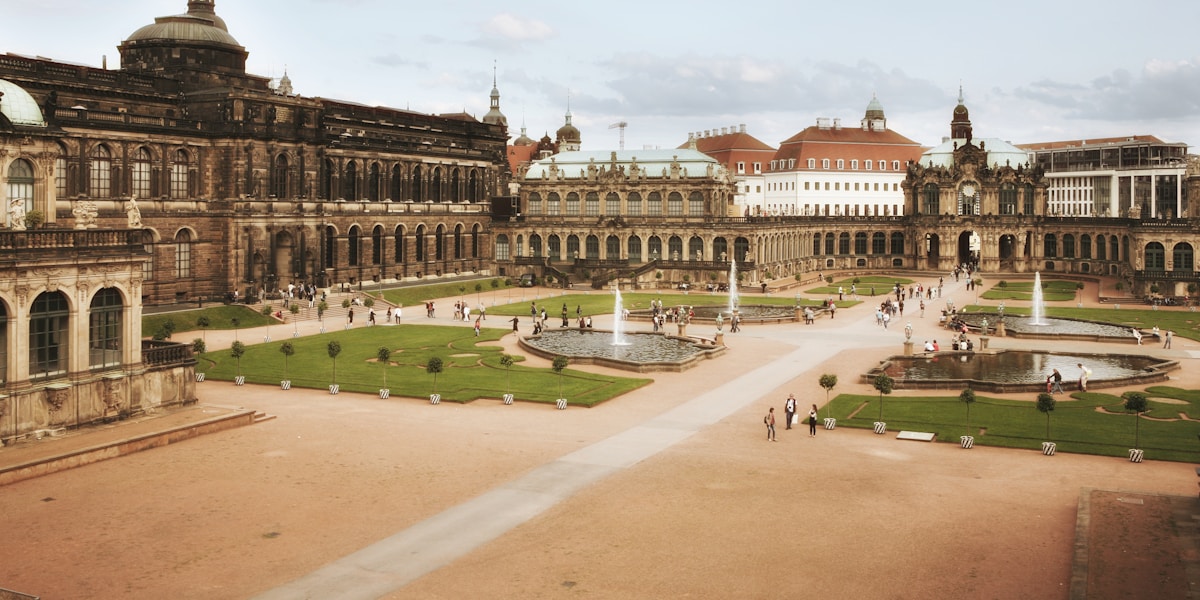
Dresden experiences distinct seasonal changes that significantly influence travel costs and crowd levels. The bustling summer months of June, July, and August constitute the high season, offering warm weather and a vibrant atmosphere, but also the highest prices for lodging and attractions.
Conversely, the low season, spanning January, February, March, and November, typically brings colder weather and fewer tourists, translating into more affordable travel. December, despite being a winter month, sees a surge in visitors for its renowned Christmas markets, which can cause a temporary price hike in accommodation.
Shoulder seasons in spring (April-May) and autumn (September-October) strike a pleasant balance, with milder weather and moderate crowd levels, often presenting better value than the peak summer. By aligning your visit with these seasonal patterns, you can optimize your budget and overall experience.
Discover how Dresden's distinct seasonal changes, from the lively summer peak to the quiet winter months and charming Christmas markets, directly influence travel costs, crowds, and the overall experience, enabling smart seasonal planning.