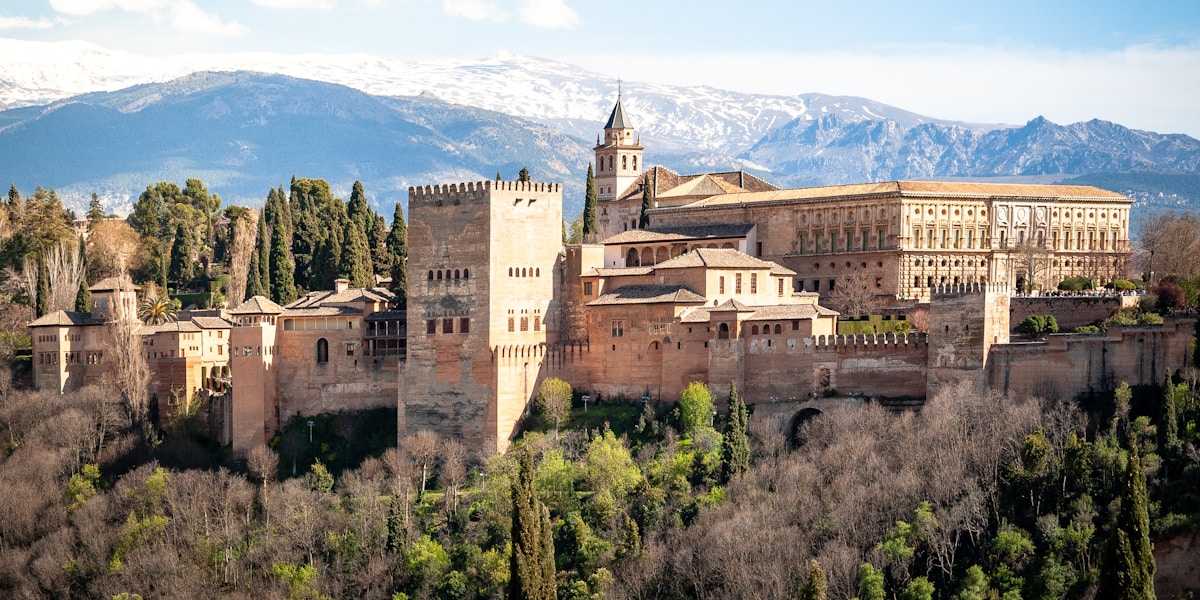
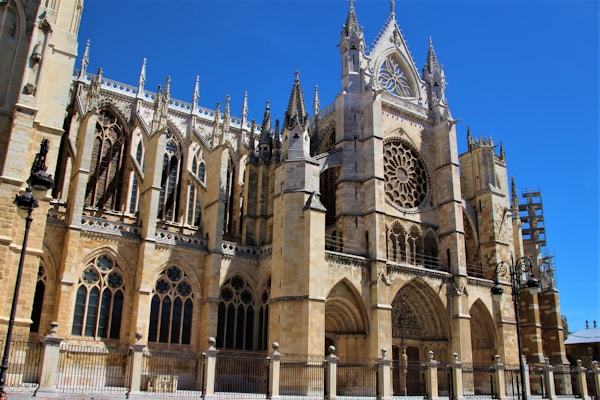
Granada experiences distinct seasonal shifts that significantly impact both the atmosphere and your wallet. Spring and early autumn, specifically March, April, May, September, and October, are the high seasons, offering pleasant weather ideal for exploration. However, these months also bring peak crowds and higher prices for accommodation and activities.
Summer, though intensely hot, is a lively period with many festivals, while winter months like January and February are considered low season. During winter, you'll find cooler temperatures, fewer tourists, and notably more budget-friendly travel options, making it an excellent time for those looking to save.
For a balance of comfortable weather and more moderate costs, consider visiting during the shoulder periods just outside the peak high season. Understanding these seasonal shifts is key to balancing comfort with cost throughout your year-round visit to Granada, allowing you to plan your trip to best suit your preferences and budget.
The pricing signals for Granada clearly show that accommodation, dining, transport, and things to do are generally more expensive during the high season compared to the low season. For example, a hostel dorm bed or a mid-range hotel will command higher rates in spring and autumn than in the quieter winter months, offering tangible savings for off-peak travelers.