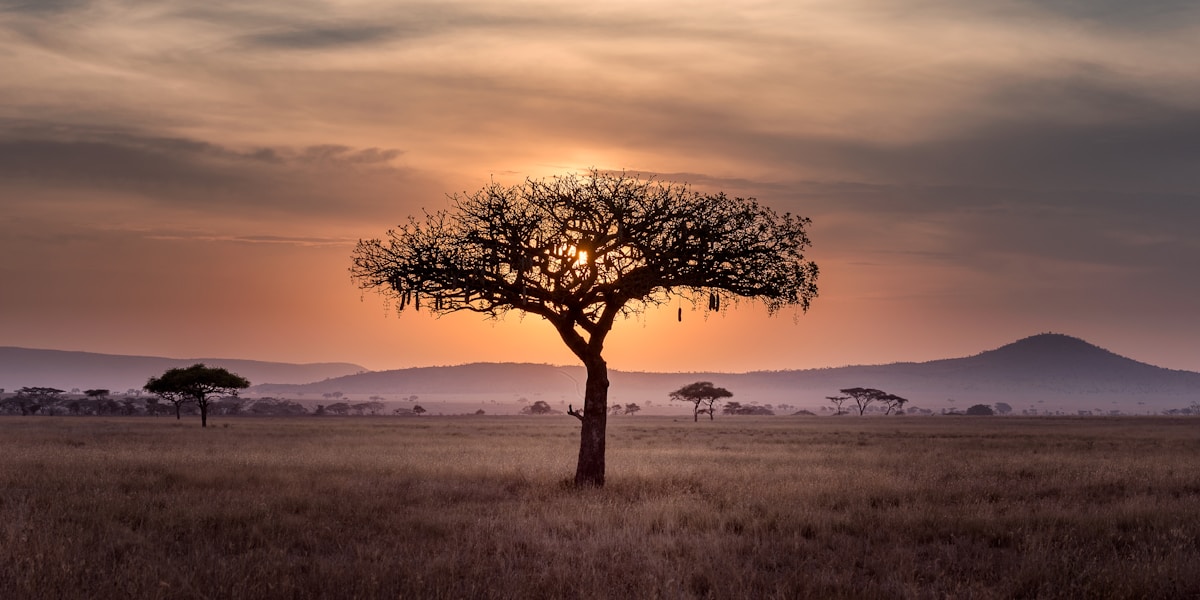
Tanzania's travel landscape is predominantly shaped by its distinct dry and rainy seasons, each offering a unique perspective for visitors. The long dry season from June to October and a shorter dry spell from mid-December to February represent the high seasons, ideal for prime wildlife viewing as animals congregate around dwindling water sources, making safaris particularly rewarding.
During these peak times, expect larger crowds and higher prices for accommodation and safari tours. Conversely, the long rainy season from March to May, along with shorter rains in November and early December, brings lush, vibrant landscapes, excellent birdwatching opportunities, and fewer tourists. The quietest period, the long rains, often offers the lowest prices, appealing to budget-conscious travelers or those seeking a more solitary experience.
For epic safari adventures and the chance to witness the Great Migration, aiming for the dry seasons is optimal. However, if tranquil beach escapes, lush scenery, and significant savings are priorities, the green seasons, particularly April and May, present an enticing alternative, transforming the often dusty plains into a verdant paradise.